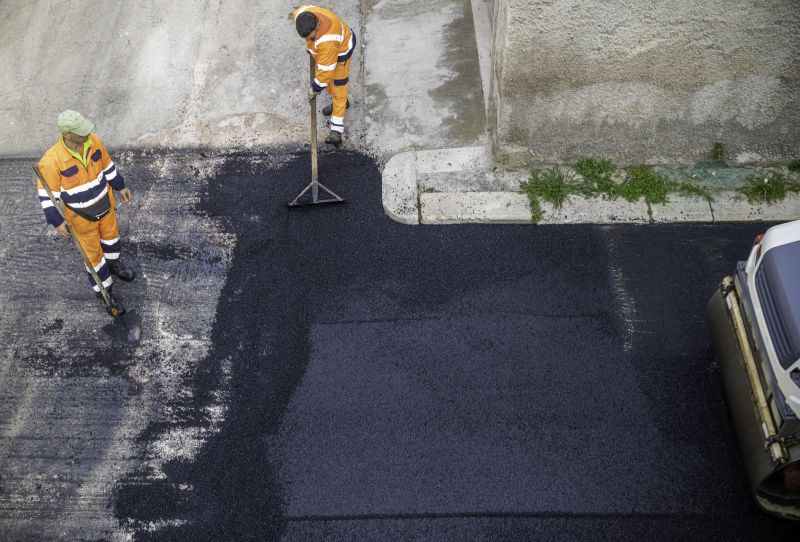
Highway Resurfacing in Little Rock, AR
Highway resurfacing services involve restoring and renewing existing roadways to improve their durability, safety, and appearance. This process typically includes removing the top layer of worn or damaged asphalt and replacing it with fresh material, which can help extend the life of the pavement and provide a smoother driving surface. Projects can range from small residential street repairs to larger commercial or community road upgrades, ensuring that traffic flow remains safe and efficient. Property owners considering resurfacing should understand the scope of the project, including the current condition of the pavement, the type of surface material used, and any necessary preparation work to ensure proper adhesion and longevity.
Before requesting highway resurfacing, property owners usually want to know about the expected lifespan of the new surface, potential disruptions during the work, and any maintenance required afterward. It’s also helpful to consider the existing pavement’s condition to determine whether resurfacing is the most suitable solution or if more extensive repairs are needed. Proper planning and understanding of the process can ensure that the resurfacing project meets the property’s needs, providing a safe and durable roadway for years to come.
Many property owners in Little Rock, AR look into Highway Resurfacing for repairs, replacements, upgrades, and appearance-related improvements.
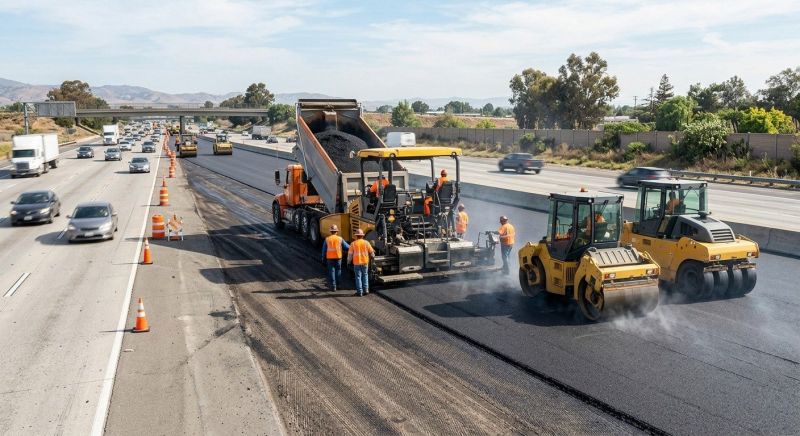
Road Surface Renewal
Highway resurfacing restores the smoothness and safety of busy roadways.
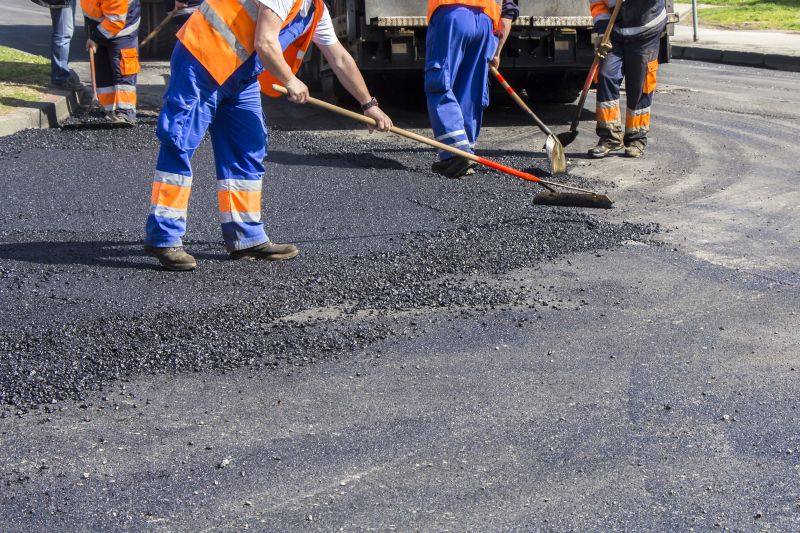
Durable Pavement Solutions
Resurfacing provides a long-lasting finish that withstands heavy traffic and weather conditions.
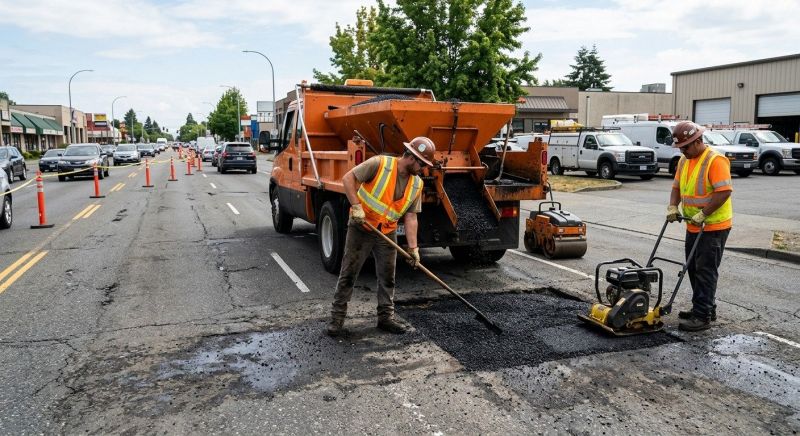
Enhanced Traffic Flow
Proper resurfacing can improve driving experience and reduce wear and tear on vehicles in little rock, ar.
Highway Resurfacing in Little Rock, AR
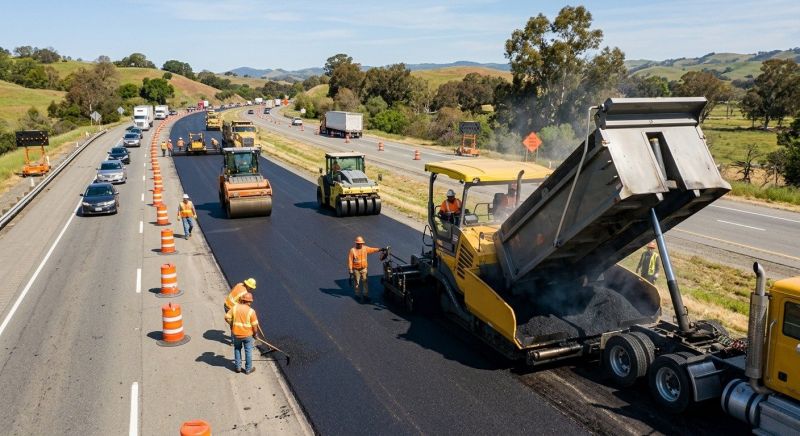
Highway resurfacing services involve restoring and renewing existing roadways to improve their durability, safety, and appearance. This process typically includes removing the top layer of worn or damaged asphalt and replacing it with fresh material, which can help extend the life of the pavement and provide a smoother driving surface. Projects can range from small residential street repairs to larger commercial or community road upgrades, ensuring that traffic flow remains safe and efficient. Property owners considering resurfacing should understand the scope of the project, including the current condition of the pavement, the type of surface material used, and any necessary preparation work to ensure proper adhesion and longevity.
Before requesting highway resurfacing, property owners usually want to know about the expected lifespan of the new surface, potential disruptions during the work, and any maintenance required afterward. It’s also helpful to consider the existing pavement’s condition to determine whether resurfacing is the most suitable solution or if more extensive repairs are needed. Proper planning and understanding of the process can ensure that the resurfacing project meets the property’s needs, providing a safe and durable roadway for years to come.
Many property owners in Little Rock, AR look into Highway Resurfacing for repairs, replacements, upgrades, and appearance-related improvements.
Common Highway Resurfacing Jobs
Highway Resurfacing - Restores worn and damaged pavement for safer driving conditions.
Roadway Resurfacing - Improves the surface quality of residential and commercial streets.
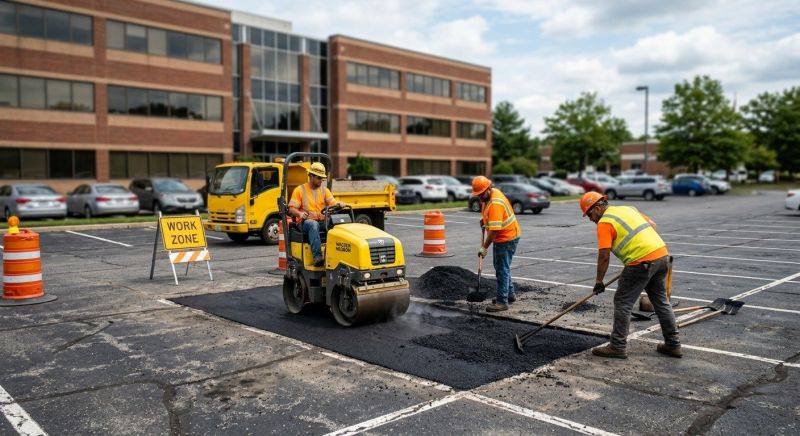
Pavement Overlay - Adds a new layer of asphalt to extend the lifespan of existing roads.
Crack Sealing - Prevents water infiltration and further deterioration of the pavement.
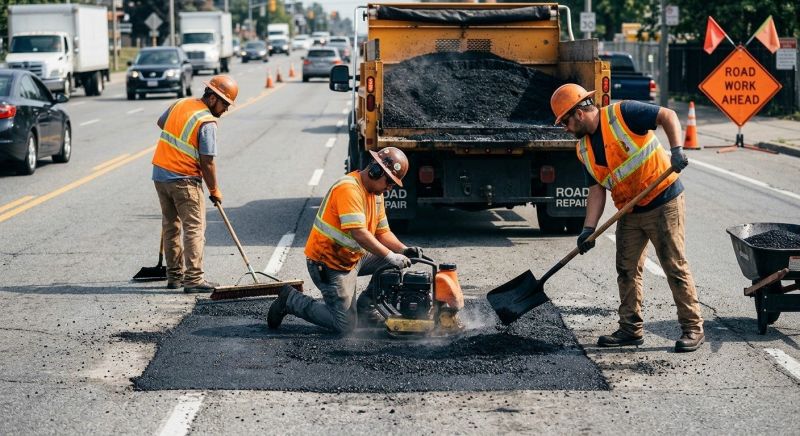
Pothole Repair - Addresses localized damage to maintain smooth and safe road surfaces.
Surface Preservation - Maintains pavement integrity through timely resurfacing and maintenance.
Highway Resurfacing Questions
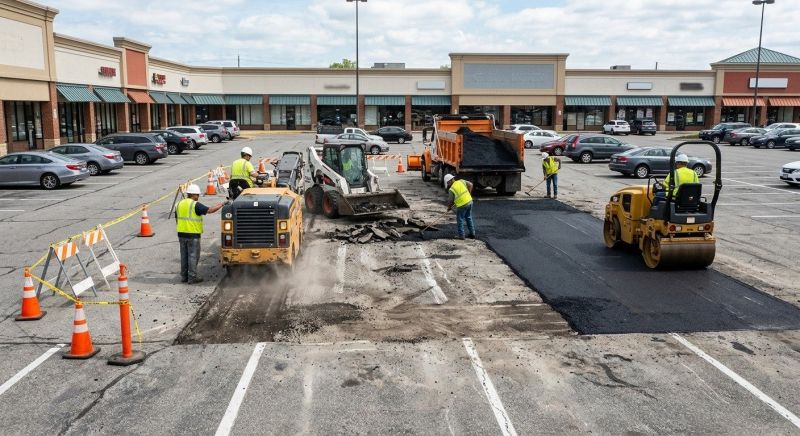
What is highway resurfacing? Highway resurfacing involves applying a new layer of asphalt or other materials to restore a worn or damaged roadway surface.
When is resurfacing necessary? Resurfacing is recommended when existing pavement shows signs of cracking, raveling, or surface deterioration that affects driving quality.
What types of projects are suitable for resurfacing? Resurfacing is suitable for roads with surface-level damage, such as cracks or minor potholes, where the base remains sound.
How does resurfacing improve a roadway? It enhances safety, extends pavement life, and provides a smoother driving experience by renewing the surface layer.
Request Highway Resurfacing in Little Rock, AR
Use the quote form on this page to share the basics of your project and request more information for the type of work you need.